

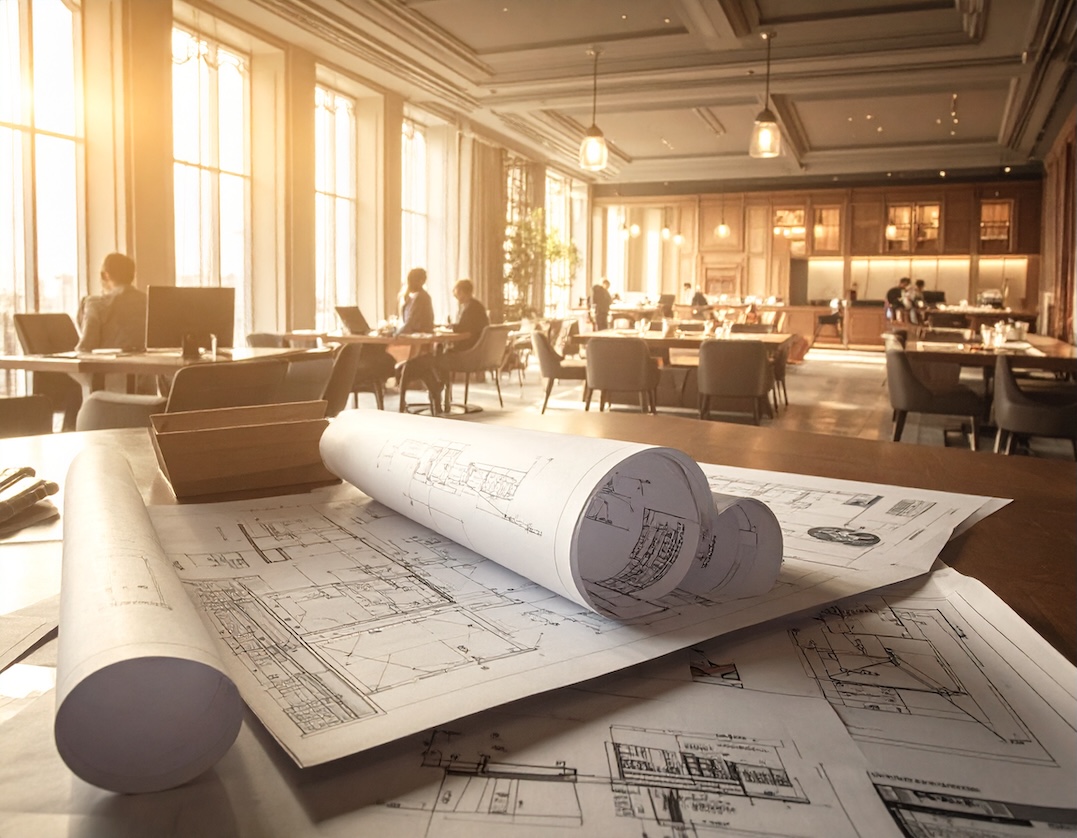
Restaurant interior costs are influenced by far more than furniture, finishes, and décor. In 2026, successful restaurant projects are balancing guest experience, operational efficiency, brand positioning, and long-term profitability. The focus has shifted from simply creating attractive dining environments to investing in spaces that support business performance and customer retention.
1. Kitchen-to-Seating Ratio Planning
One of the most overlooked cost factors is the relationship between back-of-house and front-of-house spaces. Efficient kitchen planning, service circulation, and storage allocation directly impact construction costs while influencing long-term operational performance.
2. Concept-Driven Material Selection
Restaurant interiors increasingly require materials tailored to specific dining concepts. Fine-dining venues, casual cafés, and quick-service restaurants have vastly different durability, maintenance, and aesthetic requirements, all of which influence project budgets.
3. MEP Infrastructure Requirements
Mechanical, electrical, and plumbing systems often represent a substantial portion of restaurant fit-out costs. Exhaust systems, fresh air requirements, grease management, lighting infrastructure, and power distribution significantly affect overall project investment.
4. Experience-Led Design Features
Open kitchens, chef counters, custom lighting installations, signature bars, and branded focal points are becoming key differentiators. These experiential elements contribute to customer engagement while impacting interior budgets.
5. Revenue Per Square Foot Optimization
Forward-thinking restaurateurs increasingly evaluate design decisions based on revenue potential. Seating configurations, table flexibility, circulation efficiency, and customer dwell times influence both space utilization and return on investment.
Looking Ahead
The most successful restaurant interiors balance aesthetics, operations, and profitability. Businesses that understand the factors influencing restaurant interior costs are better positioned to create dining environments that strengthen brand identity, improve guest experiences, and support long-term commercial success. Restaurant design is increasingly viewed as a strategic investment rather than a fit-out expense.
 Chat with us now!
