

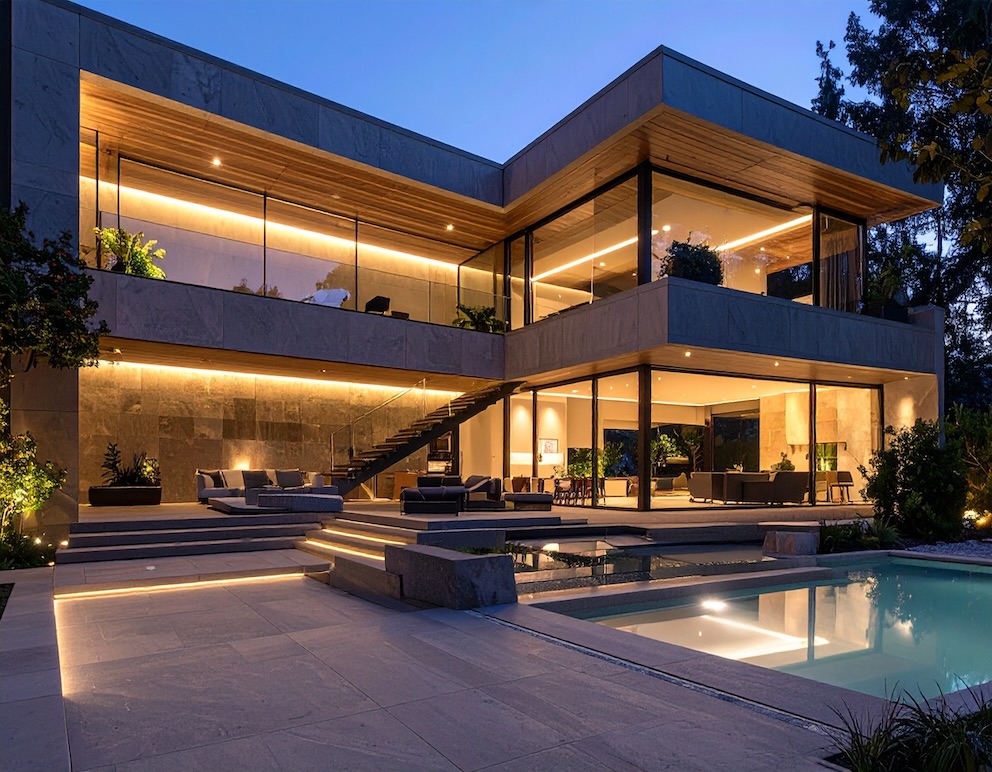
Smart lighting is rapidly becoming a defining feature of luxury residential design. In 2026, premium homeowners are looking beyond simple automation to create lighting environments that enhance wellbeing, elevate architectural features, and adapt seamlessly to daily routines. The focus has shifted from controlling lights remotely to designing intelligent lighting ecosystems that enrich the living experience.
1. Circadian Lighting for Wellness-Oriented Living
Luxury residences are increasingly incorporating lighting systems that mimic natural daylight patterns. By adjusting color temperature and intensity throughout the day, these systems support healthier sleep cycles, improve comfort, and contribute to overall wellbeing.
2. Architectural Scene Programming
Rather than relying on individual fixtures, premium homes are utilizing pre-programmed lighting scenes tailored to specific activities. Entertaining, dining, relaxation, and evening routines can each have unique lighting environments that transform the character of a space instantly.
3. Invisible Technology Integration
The latest smart lighting systems prioritize discretion. Sensors, controls, and automation infrastructure are being seamlessly integrated into architecture, allowing technology to remain virtually unseen while enhancing user experience.
4. Layered Lighting Intelligence
Advanced systems are coordinating ambient, task, accent, and architectural lighting simultaneously. This layered approach improves functionality while highlighting textures, artwork, materials, and key architectural features throughout the home.
5. Energy Optimization Without Compromise
Smart lighting is increasingly helping homeowners reduce energy consumption through occupancy sensing, daylight harvesting, and automated controls. These efficiencies are achieved without sacrificing comfort, aesthetics, or convenience.
Looking Ahead
The most successful luxury residences balance technology, wellness, and design sophistication. Homeowners who invest in intelligent lighting solutions are creating homes that feel more responsive, comfortable, and future-ready. In contemporary residential design, smart lighting is no longer a convenience feature—it is an integral part of the architectural experience.



 Chat with us now!
