

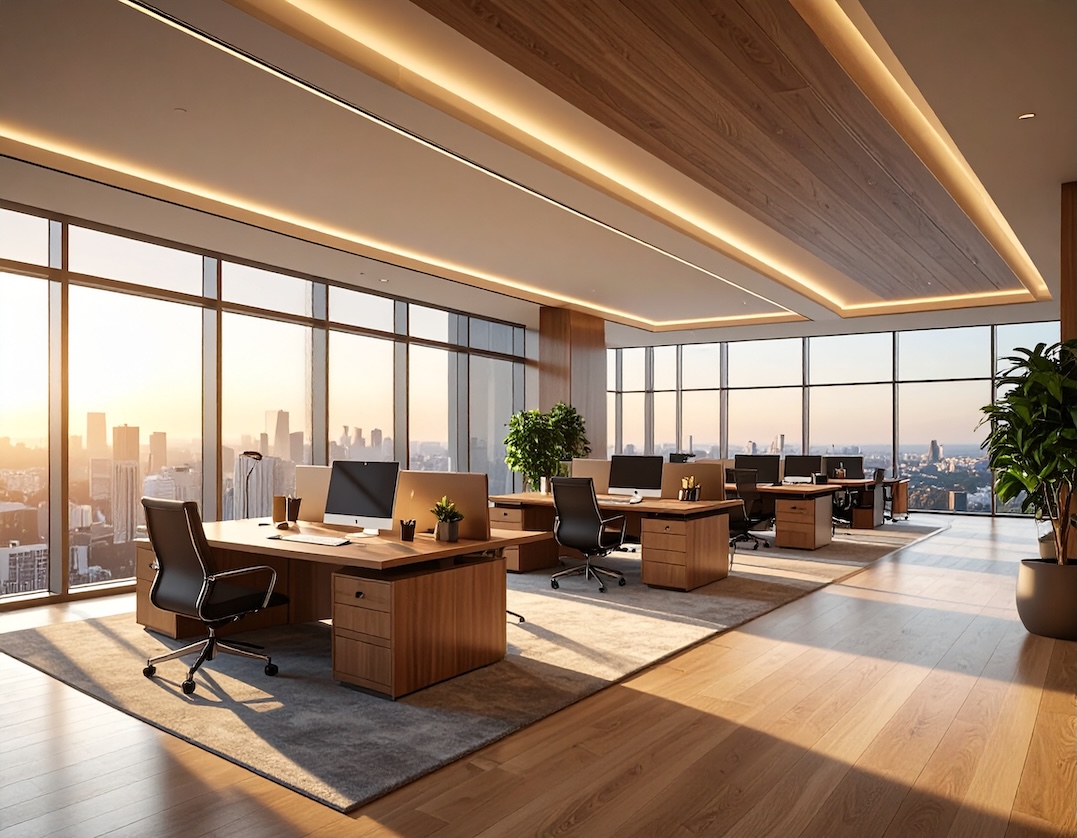
Lighting has become a critical component of workplace performance strategy. In 2026, leading organizations are recognizing that lighting design directly influences employee focus, collaboration, wellbeing, and productivity. The focus has shifted from providing adequate illumination to creating intelligent lighting environments that support different work modes and optimize human performance throughout the day.
1. Cognitive Zoning Through Light
High-performance workplaces are increasingly using lighting to support specific workplace activities. Focus zones, collaboration areas, social hubs, and meeting rooms are illuminated differently to align with the cognitive demands of each environment.
2. Circadian Synchronization for Workplace Wellness
Forward-thinking organizations are implementing lighting systems that adapt throughout the day to mirror natural daylight rhythms. These dynamic environments help reduce fatigue, improve alertness, and support overall employee wellbeing.
3. Visual Comfort as a Productivity Driver
Modern offices are prioritizing glare control, balanced brightness levels, and uniform light distribution. Reducing visual strain helps employees maintain concentration for longer periods while improving overall workplace comfort.
4. Architectural Lighting for Workplace Identity
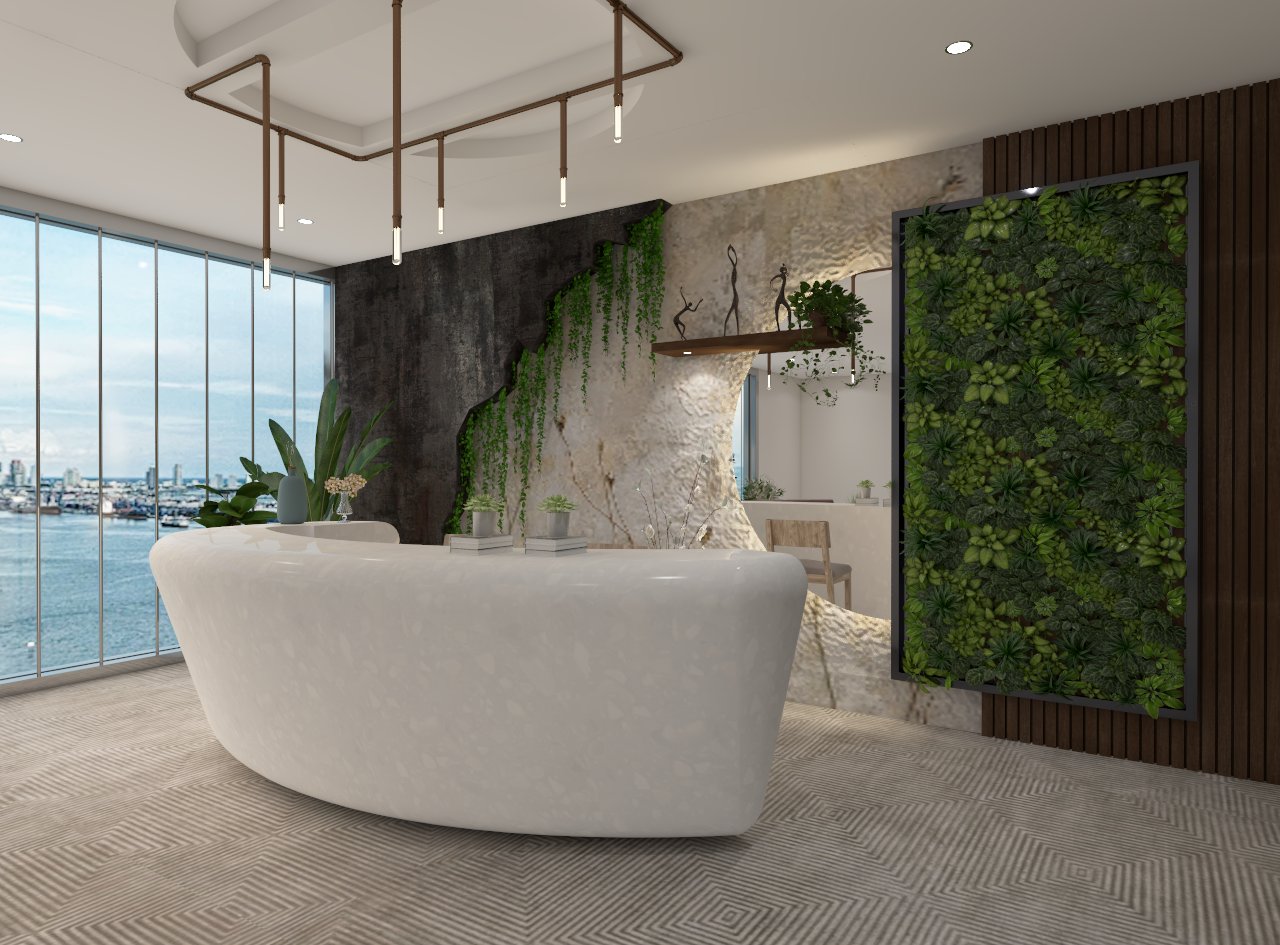
Lighting is increasingly being used to reinforce company culture and brand perception. Integrated lighting features, illuminated architectural elements, and carefully designed focal points contribute to memorable workplace experiences.
5. Adaptive Lighting Systems
Smart workplace lighting is evolving beyond scheduled automation. Occupancy-based controls, daylight-responsive systems, and real-time adjustments help optimize energy performance while supporting changing workplace conditions.
Looking Ahead
The most successful workplaces balance technology, wellbeing, and operational efficiency through thoughtful lighting design. Organizations that invest in performance-focused lighting strategies are creating environments that enhance productivity, improve employee satisfaction, and strengthen workplace experience. In contemporary office design, lighting is no longer a utility—it is a strategic business asset.



 Chat with us now!
